Aug 05, 2026 Packing Company
Posted by: Mcmmanager
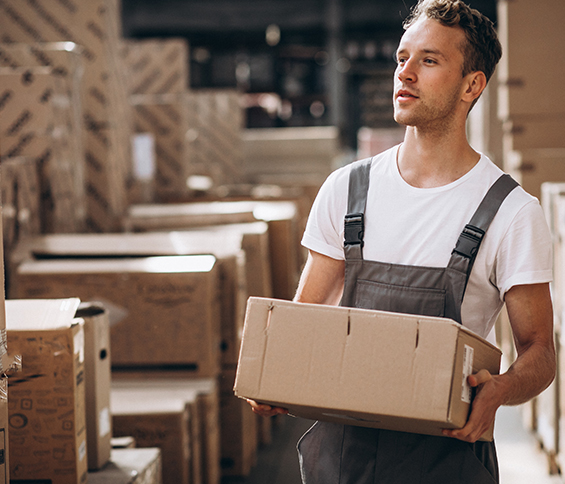
Nobody plans to run out of moving boxes at 9 p.m. the night before their move, and yet it happens constantly. You pack the kitchen, feel good about your progress, open the hall closet, and realize you’ve used your entire box supply on maybe a third of the apartment. Boxes are the one moving expense people consistently underestimate — not because they’re expensive individually, but because almost everyone guesses low on quantity.
Before you start calling around, it’s worth knowing that a proper box shop stocked with purpose-built moving supplies will usually save you more time (and cardboard) than cobbling together a mismatched pile from a grocery store. Below is a practical breakdown of how many boxes you actually need, where to get them, and which specialty boxes are worth the extra few dollars.
Box counts depend heavily on how long you’ve lived somewhere and how much you’ve accumulated, but these rough ranges are a reasonable starting point for a fully-packed home:
A good rule of thumb: whatever number you land on, add another 15–20% on top. Almost everyone underestimates books, kitchenware, and the miscellaneous closet full of things nobody remembers owning until moving day forces the question.
New boxes cost more than free ones, but the trade-off is real: they’re built to a consistent size, they stack cleanly in a truck, and they haven’t already been weakened by a previous move or a soggy basement. This matters more than people expect — a box that collapses under the weight of the one stacked on top of it can turn into a broken lamp or a stained carpet in seconds. If you’re ordering online, moving boxes sold in bundled kits are usually the most cost-effective option, since they’re sized for a typical studio, 1-bedroom, or larger home rather than requiring you to guess at quantities box by box.
Grocery stores, liquor stores, and pharmacies are the classic free source, and produce boxes in particular tend to be sturdy since they’re built to hold weight. Online marketplaces and neighbourhood groups are also worth checking — plenty of people list leftover boxes for free right after finishing their own move. The trade-off with free boxes is consistency: sizes vary, some have already been through one move too many, and you’ll often need more of them than you’d expect to make up for weaker or oddly shaped ones.
A growing number of people are skipping cardboard altogether in favour of rented plastic bins, which show up stacked and ready, get picked up after the move, and don’t leave you with a pile of flattened cardboard to deal with afterward. It’s worth weighing this option seriously if you’d rather not deal with the disposal step at all — we’ve broken down exactly how moving bin rentals compare to cardboard boxes if you want the full comparison.
Standard boxes work for most of a home, but a few categories genuinely benefit from purpose-built packaging:
If packing an entire home on top of everything else on your moving to-do list sounds like more than you want to take on, it’s worth comparing the cost of doing it yourself against hiring help — we’ve laid out the actual trade-offs of full-service versus DIY packing in more detail, or you can browse our packing and unpacking services directly.
It depends on how much time you have and how far you’re moving. Free boxes work well for a local move with a flexible timeline, since inconsistent sizing is a minor annoyance rather than a real problem. For long-distance moves, or if you’re short on time, new boxes are worth the cost — they stack more securely and are less likely to fail mid-move.
Start at least three to four weeks before moving day. Collecting free boxes takes longer than people expect, since you’re relying on other people’s timing, and ordering online gives you time to correct if you underestimate quantity.
Yes, more than for a local move. Boxes may sit stacked in a truck for a full day or longer, so sturdier, uniformly sized boxes matter more for long-distance moves than for a quick trip across town.
Small boxes. Books are deceptively heavy, and a large box packed full of books is often too heavy to lift safely, even for two people.
Yes, as long as they’re not visibly weakened, water-damaged, or missing structural integrity at the corners. Reinforce the bottom seam with fresh tape regardless of how good the box looks.
Locations
Follow Us @MyCityMovers

 On-Site
Estimate
On-Site
Estimate Book Now