This Month Only — Get Free Reusable Moving Bins Rental! Call (1-778-886-7271)
Your Friendly Local Canadian Movers
Your Friendly Local Canadian Movers
This Month Only — Get Free Reusable Moving Bins Rental! Call (1-778-886-7271)
Your Friendly Local Canadian Movers
Your Friendly Local Canadian Movers
Sep 12, 2024 Moving
Posted by: Mcmmanager
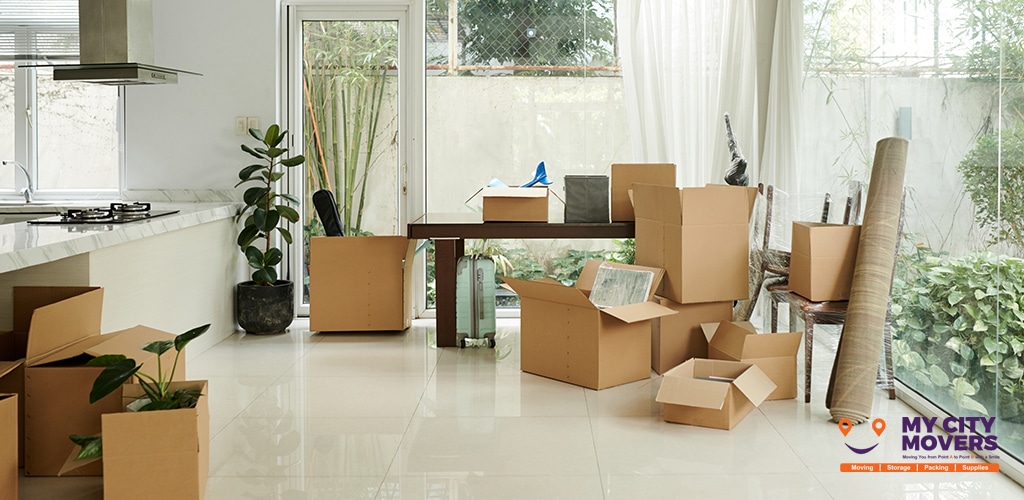
Packing is probably the worst part of residential home moving. The sorting, the stress, and then the hassle of sorting and organizing in your new home. The good news is how you pack can have a big impact on your moving day and unpacking in your new home. Here are six things can do when getting ready for residential home moving to make the experience, if not enjoyable, then at least a little less painful.
First things first: don’t wait until the last minute. Packing will always take longer than you think and moving is stressful enough without the added pressure of a time crunch. Start packing miscellaneous, non-essential items at least a few weeks in advance. Think seasonal clothing, books, and infrequently used kitchen gadgets. Tackle one room at a time to stay organized and avoid feeling overwhelmed.
Packing is the perfect opportunity to declutter. You’ll have less to pack and move which can help save on moving costs, and you’ll have less to do on the receiving end. As you go through your belongings, ask yourself if each item is something you want to bring into your new home. If it’s broken, outdated, or hasn’t seen the light of day in years, consider donating, selling, or recycling it. Think of how happy future you will be to start fresh in a new home with less clutter.
Tempting as it may be to repurpose all those random-sized Amazon boxes, this makes packing and stacking during the move much more challenging. Investing in sturdy boxes, packing tape, bubble wrap, and packing paper is worth every penny and will save you a lot of headaches during your residential move. Don’t forget to label your boxes clearly – not just with the room they belong in, but also with a brief list of what’s inside. This will save you a ton of time and frustration later when you start unpacking.
One of the biggest mistakes people make when packing is overstuffing their boxes. Yes, you want to limit trips up and down the stairs, but not at the cost of breaking your back or damaging your belongings. Keep heavier items like books and dishes in smaller boxes, and lighter items like pillows and linens in larger ones. A good rule of thumb is to try and evenly disperse items to keep most boxes at around 30 pounds. This makes boxes easier to lift and less likely to burst open during the move but still leaves room to maximize space.
When it comes to fragile items, it’s all about the layers. Start by lining the bottom of the box with a layer of packing paper or bubble wrap. Wrap each item individually, making sure to cushion any empty spaces in the box with more packing material. For extra protection, pack plates vertically rather than stacking them flat, and place delicate items in the center of the box, surrounded by softer items like towels or blankets. Label these boxes as “FRAGILE” so your movers know how to handle them with extra care.
The only thing worse than cold pizza after a long day of moving is realizing you have no idea where your toothbrush or phone charger is. Avoid this nightmare by packing an essentials box with everything you’ll need for the first couple of days in your new home: toiletries, a change of clothes, phone chargers, basic kitchen supplies, and maybe even some snacks. Keep this box with you during the move so you can easily access it without rummaging through all your other boxes.
Locations

 On-Site
Estimate
On-Site
Estimate Free Estimate