This Month Only — $150 Off All Long-Distance Moves! Call (1-778-886-7271)
Your Friendly Local Canadian Movers
Your Friendly Local Canadian Movers
This Month Only — $150 Off All Long-Distance Moves! Call (1-778-886-7271)
Your Friendly Local Canadian Movers
Your Friendly Local Canadian Movers
Mar 20, 2025 Packing And Moving Supplies
Posted by: Mcmmanager
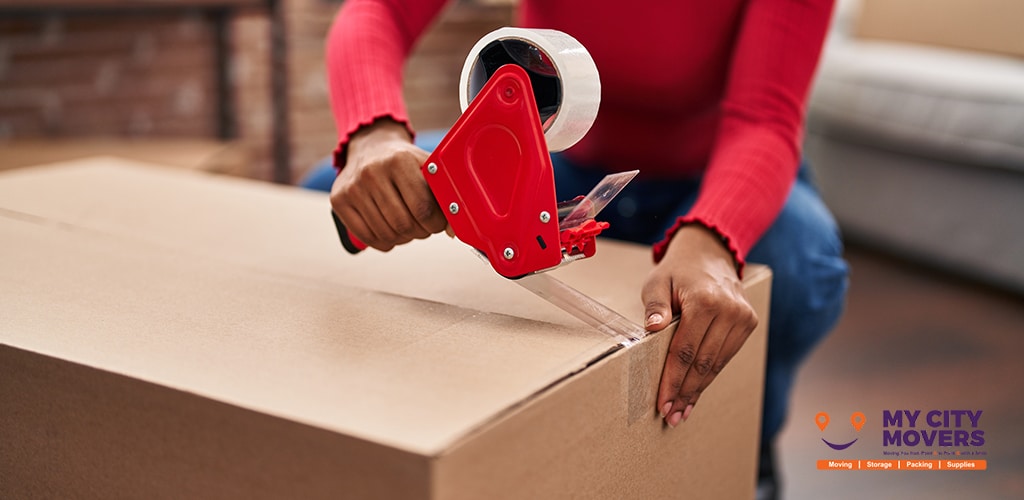
While we can’t all be Instagram-level organizers, anyone can pack like a pro. The key to pain-free packing is getting everything, from your packing and moving supplies to your packing plan, ready before you start.
You don’t need to invest a lot to get ready for a move, but you do need good quality boxes, packing paper or bubble wrap, and tape. While leftover Amazon materials might be okay for some of your lighter items, they were not designed for things like dishes, electronics, or other breakables.
Professional moving boxes are not your typical boxes. These heavy-duty cartons have been specifically designed to handle heavier loads while providing extra cushioning to ensure all your fragile and breakable items make it to their destination intact. When it comes to actually moving these boxes, the uniform size makes loading and unloading much easier for your movers, which ultimately makes your move more efficient (and less expensive!). So, while purchasing specialty packing and moving materials might seem like an unnecessary expense, this small investment is helping set you up for a hassle-free moving experience.
Pro tip: Use specialty wardrobe boxes to make moving your clothes a breeze. They come with a built-in rail so you can transfer your clothes straight from your closet to the box without needing to fold a thing (or at least allow you to find what you’re looking for before unpacking).
The more time you spend preparing for your move, the less stressed you will be on the receiving end. And decluttering is a big part of the prep work. Moving is the perfect opportunity to take stock of your belongings and purge what you no longer need. Expired makeup, toiletries, and medications should be tossed; clothes that you no longer wear can be donated, and furniture and appliances that you won’t need in your new home can be sold or donated to someone who needs them.
Pro tip: Start your decluttering process at least a few weeks before your move to avoid last-minute stress.
When it comes time to fill your boxes, have a plan. Some people like to pack over a weekend in a marathon session, while others prefer stretching it out over a few weekends. Whatever works for you, it’s a good idea to approach your packing methodically, going room by room. As you pack, write a summary of what’s in the box and what room it belongs in. This will make unpacking a lot easier and ensures you know where the essentials you need right away are located.
Pro tip: Use a colour-coding method for quick identification, like assigning each room a different colour and placing matching stickers or tape on the boxes.
Not sure where to start packing? Try your non-essentials. These are items that are coming with you to your new home but aren’t needed for day-to-day functions. This could be artwork, decor items, some toys, out-of-season clothing or any other belongings you can live without for a few weeks.
Pro tip: If you’re a camper, keep gear like folding chairs, camp tables, air mattresses and sleeping bags separate; they may come in handy for those first few nights in your new home!
The last thing you want to be doing after a long day of moving is digging through boxes looking for your toothbrush or a phone charger. Pack a separate box or bag with everything you’ll need for your first night in your new home. Think toiletries, pyjamas, chargers, medications, snacks, coffee, and a fresh set of clothes.
Pro tip: Don’t forget to pack important documents and valuables in this box as well. You might not need them right away, but it’s always better to keep these documents nearby.
Locations

 On-Site
Estimate
On-Site
Estimate Free Estimate