Oct 20, 2026 Uncategorized
Posted by: Mcmmanager
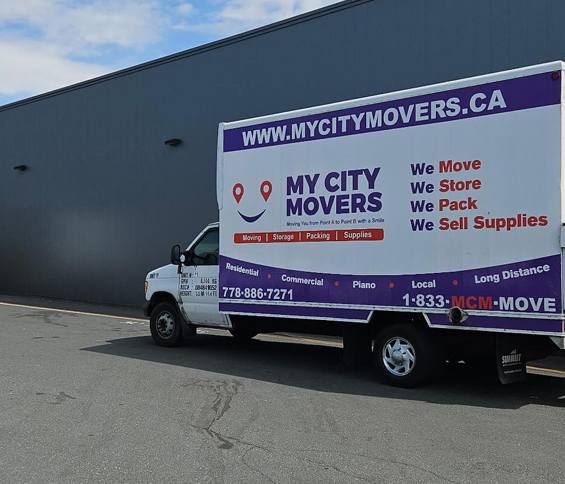
A business move puts some of your most valuable assets on a truck at once: computers, servers, furniture, inventory, specialized equipment and confidential records. Add elevators, loading docks and tight timelines, and the risk of damage, delay or injury goes up. Insurance is what decides who pays when something goes wrong.
Yet many business owners sign a moving contract without knowing what coverage the mover carries, what their own policy covers, or what their landlord requires. This guide explains how commercial moving insurance works in British Columbia, which documents to ask for, and how to choose the right level of protection.
This article is general information, not legal or insurance advice. Always confirm details with your insurance broker.
In a home move, the main risk is damage to personal belongings. In a commercial move, the risks multiply:
Each risk is covered by a different type of insurance, and usually by more than one party.
CGL insurance covers bodily injury and property damage to third parties caused by the mover’s work. If a crew damages a building lobby or a passer-by is injured by equipment, the mover’s CGL policy is the first line of defence. This is the coverage landlords care about most.
Cargo insurance protects goods while they are in the mover’s care, including during loading, transport and unloading. It typically covers events like a vehicle accident, fire or theft. Coverage limits and exclusions vary, so ask for specifics. At My City Movers, liability and cargo insurance are included with every move at no extra charge.
Valuation determines how much the mover pays if an item is lost or damaged:
For offices with expensive electronics, released value alone is rarely enough. Ask your mover what valuation options are available and document high-value items in advance.
In BC, employers must register with WorkSafeBC to cover workers injured on the job. If an uninsured mover’s worker is injured at your site, your business could face liability. You can request a free clearance letter from WorkSafeBC to confirm that a contractor is registered and in good standing before the move.
Your commercial property policy may already cover contents in transit, often with limits or conditions. Some policies exclude goods while in the custody of a third party. Call your broker before the move to check what applies and whether a temporary rider is worthwhile.
Most commercial buildings in Vancouver, Burnaby, Richmond and Surrey require a certificate of insurance (COI) from the moving company before they allow access to elevators or loading docks.
A COI is a one-page document from the mover’s insurer that confirms their coverage. Property managers commonly ask for:
Request the COI requirements from both your old and new buildings early. Send them to your mover at least one to two weeks before the move. A missing COI is one of the most common reasons commercial moves get delayed on the day. For building-specific rules, see our guide to understanding strata rules with a moving company.
Use this step-by-step process to make sure every risk is covered:
For homeowners and general background, our article on Vancouver moving insurance explained covers the basics in more detail.
Even good coverage has limits. Common exclusions include:
Always back up data before the move. No moving policy will restore lost files.
The best insurance claim is the one you never need to file. Prevention steps include:
If damage happens, act quickly and methodically:
Moving companies must register with WorkSafeBC if they have workers. Liability and cargo insurance are standard for reputable movers, but you should always ask for proof.
It is a document from the mover’s insurer confirming their liability coverage, limits and named additional insureds. Most commercial buildings require one before a move.
It depends on the company. My City Movers includes liability and cargo insurance in every move. Extra valuation coverage may cost more with some providers.
Sometimes. Many commercial policies have limited transit coverage or exclusions for goods in a third party’s care. Check with your broker.
Coverage for stored goods is often separate from moving coverage. Ask your mover and broker about storage protection. Our guide to moving and storage for businesses explains more.
Commercial moving insurance is not one policy but a combination of the mover’s liability and cargo coverage, valuation options, WorkSafeBC registration and your own business insurance. Sort it out early and moving day becomes much less stressful. To learn how pricing and coverage fit together, read how much commercial movers cost in Vancouver, or contact My City Movers to request a COI and quote for your commercial move.

Locations
Follow Us @MyCityMovers

 On-Site
Estimate
 Book Now