Feb 05, 2026 Packing and Unpacking Services
Posted by: Mcmmanager
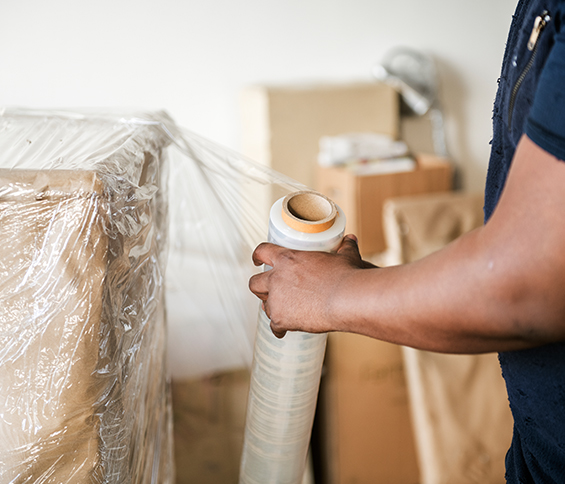
Most people don’t realize how much waste a single move creates until they see the aftermath: piles of cardboard, plastic wrap tangled around furniture, and items that didn’t survive the trip. Moving is often treated as a short-term task, but its environmental impact can last much longer. The good news is that relocation doesn’t have to mean excessive waste. With thoughtful planning, you can reduce your carbon footprint, protect your belongings, and even save money.
Sustainable moving isn’t about perfection. It’s about making smarter choices at each stage, from decluttering to transportation. In a region known for its natural beauty and environmental awareness, eco-friendly relocation is both practical and responsible.

Every move involves materials, fuel, and logistics. Traditional packing supplies like bubble wrap and single-use plastic can take hundreds of years to decompose. Transportation also contributes to emissions, especially when multiple trips or oversized vehicles are involved.
Choosing sustainable methods helps:
Even small changes, when combined, can significantly reduce your overall impact.
The most eco-friendly item to move is the one you don’t move at all. Decluttering reduces packing needs, transportation weight, and costs.
Before packing, go through each room and sort items into categories:
This step reduces the number of boxes required and makes unpacking easier.
Packing materials are one of the biggest sources of moving waste. Switching to reusable or recyclable options makes a major difference. Instead of buying new plastic and foam, you can use reusable plastic moving bins, which are durable and designed for multiple relocations. Second-hand boxes from local stores or community groups are also a practical option, as they extend the life of existing materials and reduce demand for new ones. Household items such as towels, blankets, and clothing can provide effective cushioning while eliminating the need for disposable packing products. Recyclable paper padding is another environmentally responsible alternative to bubble wrap, offering protection without long-term waste. Reusable fabric bags and suitcases can also carry many items safely and efficiently. These solutions help protect your belongings while significantly reducing environmental impact.
Reusable plastic moving bins are designed for durability and repeated use, making them a reliable alternative to single-use cardboard. They provide stronger protection against moisture, crushing, and rough handling during transport. Many moving companies offer rental programs, which eliminates the need to purchase and later dispose of packing materials. This option significantly reduces waste while improving overall packing efficiency.

Second-hand cardboard boxes extend the life cycle of materials that are already in circulation. Grocery stores, bookstores, and community groups often have boxes available that are still strong and functional. Reusing these boxes reduces demand for new cardboard production, which helps conserve natural resources. It also keeps usable materials out of landfills while serving the same practical purpose.
Household textiles such as towels, blankets, and clothing can provide excellent protection for fragile items. These materials absorb shock effectively and reduce the risk of damage during transportation. Using items you already own eliminates the need for plastic bubble wrap or foam padding. This approach reduces waste while making efficient use of available resources.
Recyclable paper padding offers a protective layer without the long-term environmental impact of plastic materials. It can be easily recycled after use, supporting a circular material cycle. Paper padding is flexible and suitable for wrapping dishes, electronics, and other fragile belongings. It provides reliable protection while aligning with sustainable packing practices.
Reusable fabric bags and suitcases are ideal for transporting clothing, books, and personal items. They are designed for repeated use and offer strong structural support. Using them during a move reduces the number of boxes and disposable packing materials needed. This makes packing more efficient while minimizing environmental impact.
Efficient packing reduces both waste and the risk of damage, preventing the need for replacements.
Careful packing reduces the need for replacement materials and protects resources.
Transportation is one of the most significant sources of emissions during a move, especially when planning is inefficient or requires multiple trips. Fuel consumption increases with distance, vehicle size, and time spent in traffic, all of which contribute to a larger environmental footprint. However, careful coordination and smarter logistics can greatly reduce these effects without making the move more difficult. By focusing on efficiency and route planning, you can lower fuel use, reduce emissions, and make your relocation more sustainable.
Planning your move in advance helps ensure that everything is transported in as few trips as possible. This includes organizing belongings, packing efficiently, and scheduling transportation carefully. Fewer trips reduce fuel consumption and overall emissions. It also saves time and lowers transportation costs.
Choosing the right vehicle size prevents unnecessary fuel use caused by oversized trucks. A vehicle that matches your load capacity allows for efficient transportation without wasted space or energy. Larger vehicles consume more fuel, especially when not fully utilized. Proper vehicle selection improves efficiency and reduces environmental impact.
Combining items into well-organized loads maximizes available space and reduces the need for additional trips. Strategic packing ensures that each trip carries as much as possible safely. This reduces total travel distance and fuel consumption. Efficient load management also improves the overall moving process.
Selecting shorter and more direct routes helps reduce fuel use and emissions. Planning ahead allows you to avoid unnecessary detours or inefficient travel paths. Navigation tools can help identify the most efficient routes. This approach saves both time and environmental resources.
Moving during periods of lighter traffic reduces idle time and fuel consumption. Vehicles use more fuel when stuck in congestion or moving slowly. Off-peak travel allows for smoother and more efficient transportation. This reduces emissions while making the move faster and less stressful.
Many moving companies now offer eco-friendly services, including reusable packing materials and efficient logistics planning.
Choose moving companies that:
Supporting these businesses encourages sustainable industry standards.
Eco-friendly moving does not end once your belongings arrive at your new home. The unpacking stage plays an important role in determining how much waste is ultimately generated. Thoughtful organization and responsible material handling can prevent unnecessary disposal and additional purchases. By approaching unpacking with sustainability in mind, you extend the environmental benefits of your relocation.
Sturdy boxes can continue to serve a purpose long after the move is complete. They are useful for seasonal storage, organizing household items, or preparing for future relocations. Reusing boxes extends their lifespan and reduces the need to buy new storage solutions. This simple step helps minimize waste and maximize material efficiency.

If boxes are no longer usable, recycling them ensures the material reenters the production cycle. Flattening cardboard and separating it from non-recyclable materials improves processing efficiency. Proper recycling reduces landfill waste and supports responsible resource management. It also helps conserve raw materials used in new cardboard production.
After moving, it can be tempting to purchase new furniture or decorative items right away. Taking time to assess your actual needs prevents impulse buying and unnecessary consumption. Living in the space first allows you to make more intentional decisions. This reduces waste and supports more mindful spending.
When new purchases are necessary, selecting durable and high-quality items reduces the need for frequent replacements. Long-lasting products minimize resource consumption over time. Investing in quality rather than quantity supports sustainable living habits. This approach benefits both your household budget and the environment.
If certain belongings no longer suit your new home, donating them gives those items a second life. Usable goods can benefit others instead of ending up in landfills. Donation reduces clutter while supporting community reuse networks. This helps prevent waste accumulation after relocation.
Sustainable moving offers more than environmental advantages. It improves organization, reduces costs, and creates a more intentional living space.
Benefits include:
These improvements continue to provide value long after the move is complete.
Moving sustainably is not about adding complexity – it’s about making smarter decisions. By decluttering, using reusable materials, optimizing transportation, and choosing responsible services, you can significantly reduce the environmental impact of relocation. These practical steps help protect natural environments while making your move more efficient and cost-effective. In a place where nature is part of daily life, sustainable moving is both a practical choice and a meaningful contribution to environmental preservation.
The most eco-friendly method is using reusable containers, second-hand boxes, and household items like towels for cushioning. This reduces the need for single-use plastic and bubble wrap. Reusing existing materials also saves money and minimizes waste. Planning ahead allows you to gather sustainable packing supplies gradually.
Cardboard boxes are better than plastic when reused and recycled properly. The key is to reuse boxes multiple times before recycling them. Many boxes remain strong enough for several moves. Recycling ensures the material can be turned into new products instead of entering landfills.
Reducing emissions starts with minimizing the number of trips required. Efficient packing helps maximize vehicle space. Choosing the right vehicle size prevents unnecessary fuel use. Planning efficient routes also reduces overall travel distance.
Reusable bins are highly durable and can be used many times. They eliminate the need for disposable cardboard and reduce waste. Many providers also deliver and collect them, making logistics easier. This makes them both convenient and environmentally responsible.
Packing materials should be reused, donated, or recycled whenever possible. Boxes can be saved for storage or future moves. Paper and cardboard should be recycled properly. Reusable materials can also be shared with others who are moving.
Yes, sustainable moving often reduces costs. Using items you already own eliminates the need to buy packing supplies. Decluttering lowers transportation volume and costs. Efficient planning also reduces time, fuel, and unnecessary purchases.

Locations
Follow Us @MyCityMovers

 On-Site
Estimate
On-Site
Estimate Book Now